Skip to content
 

Vinyl flooring

Vinyl flooring, also known as lino flooring or linoleum flooring, is a water-resistant, easy-to-clean option suited to kitchens, bathrooms, hallways and utility rooms. Available as sheets, tiles or planks, thickness ranges from 1.1mm up to 5mm, with thicker options offering better sound insulation and a softer feel underfoot. For a premium finish, <a href="/departments/flooring-tiling/flooring-underlay/luxury-vinyl-click-flooring/DIY951529.cat">luxury vinyl click flooring</a> uses a click-lock mechanism compatible with underfloor heating and requires no adhesive. Available in wood, stone and tile effects.

Showing 58 of over 10,210 products

Popular colours

Vinyl flooring is available in a wide range of colours to suit any room. Grey vinyl flooring is the most popular choice, working well in kitchens, hallways and bathrooms with both modern and traditional fittings. White vinyl flooring brightens smaller rooms and pairs well with most décor styles, while black vinyl flooring suits contemporary kitchens and hallways.

For warmer tones, beige vinyl flooringand cream vinyl flooring create a neutral base that is perfect for living rooms and bedrooms. Brown vinyl flooring and natural vinyl flooring replicate the tones of timber without the maintenance of real wood. Many options also include realistic textures that mimic wood or stone, adding depth across both neutral and bolder shades.

Types

Vinyl flooring is available in three main types to suit different rooms and installation preferences. Vinyl flooring rolls provide a seamless, water-resistant finish with no joints for moisture to seep into, making it the most practical choice for kitchens, bathrooms and utility rooms. Self adhesive floor planks are popular for living rooms, bedrooms and hallways, with realistic wood finishes and peel-and-stick or click-lock installation requiring no specialist tools.

For smaller spaces or creative layouts, peel and stick tiles offer flexibility without the need for glue or professional fitting. Many vinyl tiles and planks replicate wood, stone or ceramic, giving a premium look at a lower cost.

By room & use

Lino is a practical choice for kitchens and bathrooms, combining water resistance, durability and easy maintenance. Bathroom and kitchen vinyl flooring protects against spills, damp and daily foot traffic, with grey bathroom lino a popular choice for a contemporary finish and brown bathroom lino offering a warm, wood-effect alternative. Waterproof vinyl flooring provides additional protection in areas most prone to moisture.

Vinyl is perfect for living rooms, bedrooms, hallways and utility spaces. Sheets suit larger open areas, planks work well in rooms where a wood-effect finish is wanted, and tiles offer flexibility in smaller or irregular spaces.

Brands & ranges

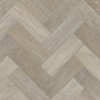
Choosing a brand helps narrow down the quality, style and price point that suits your project. Quick-Step vinyl flooring is known for high-quality planks with realistic wood and stone finishes, ideal for busy living areas. GoodHome vinyl flooring offers a practical and affordable option across a range of rooms and finishes. Herringbone lino flooring adds a distinctive pattern popular in hallways and living rooms, while Floorpops vinyl and DC Fix vinyl flooring provide simple self-adhesive options for quick updates and smaller DIY projects.

Many ranges can be completed with trims, underlay and skirting to achieve a neat, finished result.

FAQs

Do I need underlay with vinyl flooring?

Most vinyl flooring does not require separate underlay, particularly if the product has a built-in backing or is designed for direct installation onto a smooth, level subfloor. However, underlay can improve comfort and sound insulation with thicker click-fit vinyl planks. Always check the manufacturer's guidance before fitting, especially when combining vinyl with underfloor heating.
 

How do I clean and maintain vinyl or lino flooring?

Vinyl flooring requires minimal upkeep. Regular sweeping or vacuuming removes dirt and grit, and spills should be wiped promptly. Occasional damp mopping with a mild, pH-neutral cleaner is usually sufficient. Avoid steam mops and harsh chemicals as these can damage the protective surface. Bathroom lino and other linoleum types may benefit from occasional polishing to retain their finish.
 

How long can vinyl flooring last?

With correct installation and care, vinyl flooring typically lasts 10 to 20 years. Higher-end options with thicker wear layers are more resistant to scratches and dents, particularly in busy rooms like kitchens and hallways. Regular cleaning and protecting the surface from sharp furniture legs help maintain appearance over time.
 

Will heavy furniture damage my vinyl or lino flooring?

Vinyl can dent or scuff under concentrated weight, particularly from furniture without floor protection. Use felt pads under chair and sofa legs and lift rather than drag furniture when moving it. Keeping dirt and grit off the surface is equally important, as particles can scratch the finish over time.
 

Can vinyl flooring be installed over existing floors?

In many cases, vinyl can be laid over existing tiles, wood or lino if the current surface is flat, clean and stable. Loose tiles or badly worn lino should be removed first. Some vinyl plank flooring systems can float over minor irregularities, but significant bumps and dips still need addressing before installation.
 

Is vinyl flooring compatible with underfloor heating?

Not all vinyl flooring is suitable for use with underfloor heating. Self-adhesive tiles and planks are generally not recommended as heat can cause the adhesive to fail. Self adhesive vinyl planks and some sheet vinyl products are compatible, but always check the manufacturer's specification for maximum temperature limits before fitting.