Skip to content
 

Doors

Doors play a significant role in both the security and appearance of a home, and choosing the right type makes a practical difference inside and out. <a href="/timber-joinery/doors.cat?Location=External">Exterior doors</a>, including <a href="/timber-joinery/doors.cat?Navigation+type=Front">front doors</a> and <a href="/timber-joinery/doors.cat?Navigation+type=Back">back doors</a>, are available in a range of materials and styles to suit every property, from the weather resistance and durability of uPVC to the natural character of wood. <a href="/timber-joinery/doors.cat?Location=Internal">Interior doors</a> are equally important, as they define the character and acoustic performance of each room, with options ranging from classic panel and shaker styles to contemporary flush designs. <a href="/timber-joinery/doors.cat?Veneer=Oak">Oak doors</a> bring natural warmth and a distinctive grain throughout, while <a href="/timber-joinery/door-fittings/door-frames.cat">door frames</a> provide a neat, finished surround that can be painted or stained to complement the interior.

Showing 56 of 9,135 products

Internal doors

Internal doors define the layout, character and acoustic performance of a home, and the right choice depends on the room, the available space and the style you want to achieve.

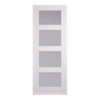
Internal doors with glass allow natural light to flow between rooms without sacrificing privacy, making them a practical choice for hallways, living rooms and darker spaces. Shaker internal doors are one of the most popular styles, offering clean lines and a versatile aesthetic that works across both modern and traditional interiors. Louvre doors provide natural ventilation alongside a distinctive slatted finish, making them ideal for airing cupboards and utility spaces.

Oak internal doors bring natural warmth and a classic grain finish that suits traditional and contemporary homes alike. White internal doors provide a clean, timeless finish that complements most interior colour schemes and works across every room type. Fire rated internal doors are designed to slow the spread of fire and smoke and are recommended for stairwells, kitchens and rooms adjoining integral garages.

Sliding internal doors and internal bifold doors remove the need for swing clearance, making them a practical space-saving alternative to standard hinged doors in open-plan living areas, home offices and smaller rooms where floor space is at a premium.

External doors

External doors combine security, insulation and kerb appeal, and choosing the right type depends on where the door will be fitted, the material you prefer and the style of your property.

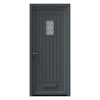
Front doors are the most visible element of a home's exterior and are available in a range of materials to suit different budgets and performance requirements. uPVC front doors provide a durable, weather-resistant option at a more accessible price point. A wooden front door brings natural character and can be painted or stained to match the exterior of the property. Black front doors and grey front doors are among the most popular colour choices for contemporary homes, pairing well with rendered facades, anthracite windows and modern landscaping.

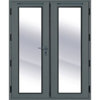
Back doors provide everyday access to gardens, patios and utility areas, available in uPVC back doors for a low-maintenance, weather-resistant finish or wooden external doors for a more traditional look that can be painted or stained to complement the property. Glazed external doors, including French doors and patio doors, are worth considering where maximum natural light into the home is a priority.

Most external doors feature multi-point locking systems and energy-efficient cores to improve security and reduce heat loss.

Door types

Choosing the right door style affects both the appearance of a room and how well the door fits the overall character of your home, whether you are replacing a single door or updating throughout.

Shaker doors are one of the most popular choices, offering clean lines and a recessed panel design that works across both modern and traditional interiors. Panel doors suit classic and period properties, while flush doors provide a smooth, flat finish that suits contemporary and minimalist schemes. Louvre doors feature a slatted design that allows airflow, making them practical for airing cupboards and utility spaces.

For period and heritage properties, Victorian doors and cottage doors bring authentic character and detail that complements older home styles. Modern doors cover a broad range of modern designs with clean aesthetics and minimal detailing, suited to newer builds and recently renovated homes.

Sliding doors and folding doors remove the need for swing clearance, making them a practical choice for wardrobes, open-plan living areas and spaces where floor space is limited. Bifold doors allow rooms to open up fully, connecting indoor and outdoor spaces effectively. Cupboard doors provide a neat, space-efficient finish for storage areas throughout the home.

Materials & finishes

The material and finish of a door affect its appearance, durability and how much maintenance it requires over time, making it one of the most important decisions when choosing a new door.

Wooden doors are the most traditional choice, offering natural warmth and character that can be painted or stained to match existing décor. Oak doors are the most popular timber option, bringing a rich, distinctive grain to both internal and external spaces. Pine doors offer a lighter, more affordable timber alternative that takes paint and stain well. White oak doors provide a paler, more contemporary wood tone suited to Scandinavian and minimalist interior schemes.

uPVC doors are a durable, weather-resistant and low-maintenance option particularly suited to external applications. Metal doors and aluminium doors provide a strong, contemporary finish suited to modern and industrial-inspired properties. Glazed doors are available with clear or frosted glass to increase natural light flow while offering different levels of privacy. Frosted glass doors are particularly popular for bathrooms, ensuites and home offices where light is wanted without full visibility into the room.


FAQs

How do I measure an internal door for replacement?

Measure the height and width of the existing door rather than the frame opening, as this gives the most accurate like-for-like replacement size. Allow a small gap of around 2mm on each side and at the top for clearance, and check the floor clearance at the bottom to account for carpet or flooring.
 

What is the difference between a solid and hollow core internal door?

A solid core internal door is heavier, provides better sound insulation and feels more substantial, making it a better choice for bedrooms, bathrooms and home offices. A hollow core door is lighter and more affordable, suited to lower-traffic areas where sound reduction is less of a priority.
 

What size are standard internal doors in the UK?

The most common standard internal door size in the UK is 1981mm x 762mm, although 1981mm x 686mm is also widely used in older properties. Most manufacturers produce doors to these standard sizes, but doors can be trimmed slightly to fit openings that are marginally smaller than the standard dimensions.
 

Do I need a fire door between my garage and house?

Yes, building regulations in the UK require a fire door between an integral garage and the living areas of a house. The door must be a minimum FD30 rated fire door, meaning it can resist fire for at least 30 minutes. It should also be fitted with a self-closing device to ensure it closes automatically in the event of a fire.
 

What is the most popular internal door style in the UK?

Shaker doors are currently one of the most popular internal door styles in the UK, valued for their clean lines and recessed panel design that works across both modern and traditional interiors. Panel doors and flush doors are also widely chosen, with flush doors particularly popular in contemporary and minimalist homes.
  

Can internal doors be cut down to size?

Most interior doors can be trimmed to fit non-standard openings, but the amount you can remove depends on the door construction. Hollow core doors can typically only be trimmed by a small amount before the internal structure is compromised. Solid timber and solid core doors allow more flexibility and can generally be cut down further without affecting performance.