Fencing
1. Choose your fence style
2. Pick the right posts & gravel boards
3. Fixings & finishing
Have you thought about?
Ideas & Advice
Fence panels by style
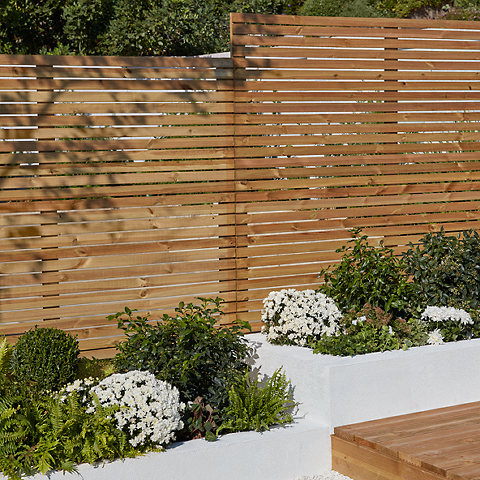
The style of fencing you choose can have a big impact on both the appearance and privacy of your garden. Traditional fence panels remain a popular choice for creating secure, attractive boundaries, with designs available to suit everything from modern outdoor spaces to more traditional gardens. If privacy is a priority, closeboard fence panels are known for their strength, durability and ability to shield your garden from neighbouring properties. For a more budget-friendly solution, lap fence panels offer reliable coverage and a classic garden appearance. Those looking to create a contemporary outdoor space may prefer fence slats, which allow light and airflow while maintaining a stylish architectural look. Alternatively, fencing mesh can be used to define boundaries, protect planting areas and support climbing plants without creating a fully enclosed feel. Exploring different fencing styles can help you achieve the right balance between privacy, practicality and visual appeal.
By fencing material
Different fencing materials offer varying levels of maintenance, durability and style, making it important to consider how your fence will be used over time. Traditional timber fencing remains a popular choice thanks to its natural appearance, versatility and ability to complement a wide range of garden designs. For busy households or those looking to reduce upkeep, composite fencing offers a durable, low-maintenance alternative that won't require regular staining, painting or treatment. If you're aiming for a modern, contemporary look, metal fencing provides excellent strength and long-term performance while creating a clean, minimalist finish. Homeowners looking to make a stronger design statement may also want to explore Neva fencing, which combines contemporary styling with practical functionality. Choosing the right fencing material can help ensure your garden boundary looks great, stands up to the weather and suits your lifestyle for years to come.
Fence posts, gates & accessories
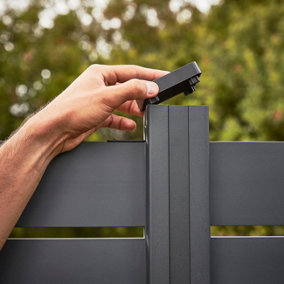
A successful fencing project relies on more than just the panels themselves. Selecting the right supporting products can improve both the strength and lifespan of your new boundary. Quality fence posts provide the stability needed to keep fencing secure in changing weather conditions, with different options available depending on the type of fencing being installed. Adding fence post caps helps protect exposed timber from rainwater while giving posts a smarter, more finished appearance. If your fencing design includes access points, wooden garden gates offer a practical and coordinated solution that can complement surrounding fence panels. Decorative features such as trellis panels can also be incorporated to add height, support climbing plants and soften hard garden boundaries with additional greenery. Investing in the right accessories can make a significant difference to the overall appearance, durability and functionality of your fencing project.
Create a garden boundary
Fencing often forms part of a wider landscaping project and can help bring structure, privacy and definition to your outdoor space. By combining fencing with complementary garden features, it's possible to create a more cohesive and practical design. Pairing your fencing with decking can help establish dedicated areas for outdoor dining, entertaining or relaxing, while sleepers are ideal for creating raised beds, retaining edges and clearly defined planting zones. Decorative additions such as trellis can introduce vertical interest, support climbing plants and help soften larger fence runs. Whether you're redesigning a small garden or planning a complete outdoor transformation, integrating fencing with other landscaping elements can help create an attractive, organised space that works throughout the seasons and adds value to your home.
FAQs
What is a trellis?
A trellis is a vertical structure made from crossed timber, metal or other materials that provides support for climbing plants, flowering vines and trailing vegetables. Commonly used alongside fencing, trellises help maximise growing space while encouraging healthy plant growth and creating visual interest in gardens. As well as supporting plants such as clematis, climbing roses and jasmine, trellises can be used to create decorative screens, divide outdoor spaces or increase privacy. Whether fixed to fencing or installed as a standalone feature, a trellis offers both practical planting support and attractive garden design benefits.
How high can a garden fence be?
In most parts of the UK, a garden fence can usually be up to 2 metres high without requiring planning permission. However, fences positioned next to a road, footpath or highway are generally restricted to a maximum height of 1 metre. Additional rules may apply for listed buildings or properties located within conservation areas. If you're planning to add trellis panels above existing fencing, it's important to consider the combined height. Before installing new fencing, check local planning requirements and discuss any boundary changes with neighbouring properties where appropriate.
How do you paint a fence?
To paint a fence successfully, start by clearing away foliage and protecting surrounding surfaces. Clean the timber thoroughly to remove dirt, mould and algae, and allow the fence to dry completely before beginning any treatment. Lightly sand rough areas and repair any damaged sections before applying paint or stain. Work from the top of each panel downwards, following the direction of the wood grain to achieve an even finish. Applying two coats can improve durability and help protect your fence from weather damage for longer.
How deep should a fence post be?
Fence posts should generally be installed so that at least one-third of their total length sits below ground level. For a typical 6ft fence, this usually means digging holes between 2ft and 3ft deep to provide adequate support.Soil conditions, exposure to strong winds and local weather can all influence the depth required. Adding a layer of gravel before securing the post in concrete can improve drainage and reduce the risk of timber rot. Correct post installation is essential for creating a secure and long-lasting fence.
How do you fix a trellis to a wall?
Fixing a trellis to a wall is most effective when mounted on timber battens that create a small gap between the wall and the trellis. This allows air to circulate freely and gives climbing plants space to establish healthy growth. Using a spirit level, position the trellis correctly before securing it with suitable wall plugs and corrosion-resistant screws. Galvanised or stainless-steel fixings are recommended for outdoor use. Proper installation helps support climbing plants while protecting both the wall and trellis from excess moisture.
What is a gravel board?
A gravel board is a protective board installed at the base of a fence between the ground and the fence panel. Its primary purpose is to reduce moisture contact, helping to protect timber panels from rot, decay and insect damage. Available in timber and concrete options, gravel boards can also help overcome uneven ground levels while providing a neat, professional finish. By creating a barrier between soil and fencing, gravel boards can significantly extend the lifespan of your garden fence.
What is a picket fence?
A picket fence is a decorative fencing style made from evenly spaced vertical boards attached to horizontal rails. Traditionally used in front gardens, picket fencing helps define property boundaries while maintaining an open and welcoming appearance. The gaps between pickets allow sunlight and visibility to pass through, making this fencing style suitable for flower beds, pathways and ornamental landscaping. Available in timber, composite and metal designs, picket fences continue to be a popular choice for traditional and cottage-style gardens.
How do you install fence slats?
Installing fence slats begins with securely positioning posts and deciding on the spacing between each slat. Consistent gaps help create a balanced appearance while allowing airflow and light to pass through the structure. Start by fixing the first slat in place and checking it is level before continuing. Spacer blocks can be used to maintain even distances between boards, while exterior-grade screws help ensure durability. Regularly checking alignment throughout the project will help achieve a professional-looking result.
What is plastic mesh fencing?
Plastic mesh fencing is a lightweight and durable fencing material commonly used for temporary boundaries, plant protection and animal enclosures. Manufactured from weather-resistant materials, it offers excellent resistance to rot, rust and general outdoor wear. Its flexible design makes installation simple using stakes, fixings or ties. Plastic mesh fencing is available in a variety of mesh sizes and colours, making it suitable for protecting young plants, defining garden areas and providing temporary control around outdoor projects.
How much does fence installation cost?
The cost of fence installation varies depending on the materials selected, the size of the project and labour requirements. Premium materials, larger installations and difficult site conditions can all affect the final price. Additional expenses may include removing old fencing, installing fence posts and preparing the ground before installation. Obtaining multiple quotations and considering both supply and fitting costs can help you budget effectively and choose the most suitable fencing solution for your garden.
How long do wooden fence posts last?
Wooden fence posts typically last between 10 and 25 years, depending on the timber species, preservative treatment and local environmental conditions. Pressure-treated posts generally offer a significantly longer lifespan than untreated timber. Correct installation, effective drainage and routine maintenance all contribute to extending the life of fence posts. Regular inspections and occasional retreatment can help prevent moisture damage, maintain structural stability and keep your fencing performing well for many years.
How do you install concrete gravel boards?
Installing concrete gravel boards creates a strong, rot-resistant base for fence panels and helps protect fencing from ground moisture. The process starts by securely installing the fence posts and ensuring they are positioned level and correctly spaced. Concrete gravel boards can then be slotted into place or secured using appropriate fixings depending on the post system being used. Checking alignment with a spirit level throughout installation will help create a neat, professional finish while improving the overall durability of your fencing.
The style of fencing you choose can have a big impact on both the appearance and privacy of your garden. Traditional fence panels remain a popular choice for creating secure, attractive boundaries, with designs available to suit everything from modern outdoor spaces to more traditional gardens. If privacy is a priority, closeboard fence panels are known for their strength, durability and ability to shield your garden from neighbouring properties. For a more budget-friendly solution, lap fence panels offer reliable coverage and a classic garden appearance. Those looking to create a contemporary outdoor space may prefer fence slats, which allow light and airflow while maintaining a stylish architectural look. Alternatively, fencing mesh can be used to define boundaries, protect planting areas and support climbing plants without creating a fully enclosed feel. Exploring different fencing styles can help you achieve the right balance between privacy, practicality and visual appeal.