Skip to content
 

Radiators

Discover an enormous range of radiators to suit every home at B&Q. Choose a fuel type and heat output to meet the needs of your space and family, as well as a colour, size and finish to complement your style perfectly. Select a radiator style to subtly blend into the background, make a striking statement, or simply solve practical problems, like finding room to dry your towels. Whether you call a rambling Victorian renovation, a contemporary city apartment, a spacious semi or a traditional terrace home, we've got heating solutions that are right for you. A <a href='/heating-plumbing-cooling/central-heating/radiator-accessories/radiator-covers.cat'>radiator cabinet</a> is a stylish way to hide your radiator while adding extra storage or display space. To stay comfortable all year round, our collection of <a href='/heating-plumbing-cooling/air-treatment/cooling/fans.cat'>fans</a> ensures that all your cooling requirements are also covered, offering versatile solutions to maintain a perfect home climate.
Showing 56 of over 10,210 products

Radiator types

There are many radiator types designed to suit different spaces, styles, and heating requirements. A designer radiator or vertical designer radiator is perfect for modern homes, offering both striking aesthetics and efficient heat output. These space-saving options fit well in narrow or tall wall areas, adding a contemporary touch. A towel radiator or electric towel radiator is ideal for bathrooms and en-suites, keeping towels warm and helping to reduce moisture while enhancing comfort and style. For smaller rooms or minimal heating needs, a single panel radiator offers a slim, discreet profile, while a double panel radiator delivers more powerful heat for larger areas.

For timeless appeal, a column radiator or 2 column radiator adds a traditional look while providing excellent warmth distribution. These radiators suit period properties or classic interiors beautifully. For flexible heating, a freestanding radiator or oil filled radiator provides portable, long-lasting heat that stays warm even after being switched off, making it an energy-efficient choice for flexible heating around the home. More advanced options, such as a smart radiator, offer programmable controls and energy efficiency, while a gas radiator or dual fuel radiator provides versatile heating solutions that combine central heating with electric backup. With so many radiator types available, it’s easy to find the perfect balance of performance, style, and comfort for any room.

Popular brands

Choosing from popular radiator brands means you can trust in quality, performance, and style. A Flomasta radiator is a reliable choice for consistent heat and durability, designed to blend practicality with value. The Acova column radiator combines traditional design with modern engineering, offering excellent heat output and a timeless appearance that suits both classic and contemporary interiors. For energy-efficient electric heating, a Dimplex radiator delivers advanced technology and smart control options, ideal for maintaining warmth with minimal energy use.

A Kudox radiator is known for its dependable build and variety of styles, including modern panels and compact options for smaller spaces. The VonHaus oil filled radiator provides portable heating that retains warmth long after it’s switched off, making it perfect for flexible use around the home. A Kartell radiator balances affordability with sleek design, while the Pro Breeze radiator offers innovative, portable solutions for efficient room heating. With these radiator brands, you can find the perfect match for every space and budget.

Colour & styles

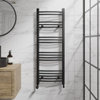
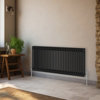
Radiators come in a wide range of colours and orientations, allowing you to match your heating to your home décor. White radiators and white designer radiators are popular for their clean, versatile look, blending seamlessly into any room. For a bold statement, black radiators, including black designer radiators and black column radiators, add a contemporary or industrial edge. Grey radiators and grey designer radiators offer a modern neutral tone, while gold radiators, copper radiators, and bronze radiators provide a warm, luxurious finish. For bathrooms, white towel radiators and vertical towel radiators combine practicality with style, keeping towels warm and dry.

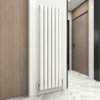
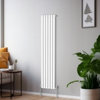
Radiator orientation also affects both aesthetics and performance. Vertical radiators, including vertical electric radiators and black vertical radiators, are ideal for saving floor space and making a design statement, while horizontal designer radiators suit wider wall areas and deliver efficient heat distribution. Even black oil filled radiators can be positioned flexibly for portable warmth. With such variety in radiator colours and orientation, you can find the perfect solution to suit your space, style, and heating needs.

Material & sizes

A radiator is available in a variety of materials and sizes to suit different heating requirements and interior styles. A cast iron radiator or black cast iron radiator offers classic charm, excellent heat retention, and a traditional aesthetic, ideal for period properties. Modern options such as a ceramic radiator, stainless steel towel radiator, and stainless steel designer radiator provide a sleek, contemporary look with fast heat-up times and easy maintenance. An aluminium radiator is lightweight, efficient, and stylish, perfect for modern homes where performance and aesthetics matter.

Radiators also come in a wide range of sizes, allowing effective heating for any room. Popular choices include a 400mm radiator for small spaces, a 600 x 600 radiator for medium-sized rooms, and a 1200 x 600 radiator or 1600 x 600 radiator for larger areas. Longer options, such as a 1500mm radiator or 1400 x 600 radiator, deliver excellent heat output while fitting neatly along walls. By selecting the right radiator material and size, you can achieve both style and efficient heating in any home.

FAQs

Is it worth replacing old radiators?

Replacing old radiators with new ones can help heat your home more efficiently and effectively, potentially saving you both energy and money. Thanks to continual advances in technology, new radiators are ever more efficient, meaning they use less energy to get to temperature and do a more effective job of heating a room - great news for both the environment and your bills. As a guide, radiators should be replaced every fifteen to twenty years to help ensure they are working to maximum efficiency. Follow our guide on how to replace a radiator.
 

What are the different types of radiators?

There are several different types of radiators available, including double panel radiators, designer radiators, vertical radiators, column radiators, and if you’re looking specifically for your bathroom, towel radiators. Which one to choose will depend on what style you’re looking for, how much space is available, and what room the radiator is for. For example, if you’re looking for a modern finish and your radiator is in a prominent place in the room, a designer radiator can give you a stylish source of heat that takes pride of place. Or if you’re looking for a more traditional finish, a column radiator might be for you. Perhaps you’re after a standard radiator that’ll heat your home effectively? Then a white panel radiator will do the job nicely. Check out our radiators buying guide for more advice.
 

What’s the difference between central heating radiators and electric radiators?

A plumbed radiator is connected to your central heating system and is powered by a boiler heating up water that fills the radiator. An electric radiator is heated by an electrical element that is connected to, and powered by, mains electricity. There are advantages and disadvantages to both, and which one is right for you depends on how you want to heat your home or what fuels you have available. An electric radiator might be the easiest way to heat an extension, such as a loft conversion or garden office, as you don’t need plumbing. Whereas centrally heated radiators can be cheaper to run as the unit price of gas is less than electricity. You can also find dual fuel radiators that allow you to heat a plumbed radiator with electricity. A thermostatic radiator element can also be used to transform a plumbed radiator into a dual fuel radiator.
 

What size radiator do I need?

To find out what size radiator you need to heat your room effectively, you’ll need to calculate what BTU (British thermal unit) rating your chosen radiator needs. Luckily, you don’t need to be a mathematician to work this out as we have a BTU calculator that will do it for you! It’s really important to buy a radiator with the correct BTU to make sure your room gets lovely and warm without wasting energy or money. Choose too large or too many radiators and you run the risk of using more energy and spending more money than necessary. Choose too small or too few radiators and you may find your room remains chilly and you have to leave your heating on for longer.
 

What is a BTU?

BTU stands for British Thermal Unit and is a measurement of how much energy it takes to heat one pound of water by one degree Fahrenheit. It’s an important consideration when buying a new radiator because it tells you what size you need to heat a room effectively and efficiently. When working out what BTU your chosen radiator(s) needs, you need to take into consideration two main factors; the size of the room you want to heat and any areas of potential heat loss (such as windows and doors). Use our BTU calculator to accurately work out your radiator BTU.
 

Are oil-filled radiators cheaper to run?

Oil filled radiators are among the most efficient radiator as they use electricity to heat the oil within, which then circulates around the radiator. While they take longer to heat up than other types of heater or radiator, they stay warmer for longer once they are turn off. Also, as they are convection heaters, they draw warm air up and into the room, and draw cool air underneath to be heated. Another great advantage of oil-filled radiators is they are portable and so can be positioned almost anywhere in the home. This means you only heat the area where you need it, and not your entire home, saving energy and money heating empty rooms.