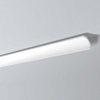
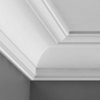
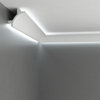
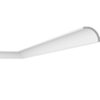
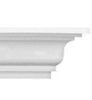
Gyproc Traditional S-shaped Plaster Coving (L)3m (W)135mm
Free for orders over £100
Ceiling coving adds a decorative touch to the corners of rooms where the walls and ceilings meet. There are various profiles available, with variation in styles, some being more intricate than others. Our heavy or lightweight coving for ceiling options also come in different materials, so you have an excellent choice to choose from to complete your room design. Also known as cornice moulding, cornicing is suitable as bathroom coving or kitchen coving. Shop all things wall coving online at B&Q today.
Gyproc Traditional S-shaped Plaster Coving (L)3m (W)135mm
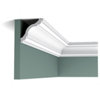
Orac Decor CX124 Cornice Lightweight 9 Pack - 18 Metres
Gyproc Contemporary C-shaped Plaster Coving (L)3m
2 options available
Pro Cove Lite Classic C-shaped Polystyrene Coving (L)3m, Pack of 6
2 options available
Colours Nayak Traditional Fluted profile Polystyrene Coving (L)2m (W)110mm
2 options available
Colours Nayak Traditional Fluted profile Polystyrene Coving (L)18m (W)100mm
Classic C-shaped Polystyrene Coving (L)1.22m (W)70mm
Colours Montparnasse Authentic C-shaped Duropolymer Coving (L)2m (W)69mm, Pack of 4
Orac Decor C321 Premium Coving Moulding 3 Pack - 6 Metres
Orac Decor CX123 Coving Lightweight 8 Pack - 16 Metres
Colours Intonaco Heritage C-shaped Duropolymer Coving (L)2m (W)94mm, Pack of 4
Orac Decor C230 Premium Coving Moulding 8 Pack - 16 Metres
Pro Cove Traditional C-shaped Polystyrene Coving (L)3m (W)127mm
Pro Cove Traditional C-shaped Polystyrene Coving (L)3m (W)100mm
Supercove 127mm Room Kit - 2 Packs of 6 x 2 Metre, 4 Tubes of Adhesive, 6 Sets Internal Corners & 4 Sets External Corners
Plain Ogee Plaster Coving 60mm x 80mm - 48m Pack
Orac Decor CX115 Coving Lightweight 12 Pack - 24 Metres
Classic C-shaped Polystyrene Coving (L)1.22m (W)100mm
Colours Antioch Contemporary C-shaped Duropolymer Coving (L)2m (W)44mm, Pack of 4
Colours Altamira Classic C-shaped Polystyrene Internal & external Coving corner (L)180mm (W)100mm, Pack of 2
Artex Easifix Classic C-shaped Plaster Coving (L)2m, Pack of 6
2 options available
Orac Decor CB523 Basixx Coving 36 Pack - 72 Metres
Colours Altamira Classic C-shaped Polystyrene Coving (L)2m (W)100mm
2 options available
Colours Montparnasse Authentic C-shaped Duropolymer Internal Coving corner (L)250mm (W)69mm, Pack of 2
Classic C-shaped Polystyrene Internal & external Coving corner (L)180mm, Pack of 2
2 options available
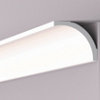
Orac Decor C323 Autoire Cornice or LED Lighting Coving 4 Pack - 8 Metres
Large Plaster Coving 115mm x 115mm - 48m Pack
Supercove Internal Coving Corners x 2 Sets
Colours Nayak Traditional Fluted profile Polystyrene Internal & external Coving corner (L)180mm (W)110mm, Pack of 2
Plain Ogee Plaster Coving 60mm x 80mm - 24m Pack
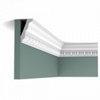
Dentil Egg and Dart Plaster Coving 80mm x 90mm - 36m Pack
Large Plaster Coving 115mm x 115mm - 24m Pack
Orac Decor CB520 Basixx Coving 80 Pack - 160 Metres
Artex Easifix Classic C-shaped Paper faced plaster External Coving corner (L)340mm, Pack of 4
4 options available
Orac Decor CX190 Coving Lightweight 8 Pack - 16 Metres
Orac Decor CB502 Basixx Coving 27 Pack - 54 Metres
Orac Decor CX215 Coving Multi Use Lighting Curtain Rail Ledge 4 Pack - 10.4 Metres
Orac Decor CX133 Skirting Moulding Lightweight 24 Pack - 48 Metres
WT25 NMC Art Deco Coving Polyurethane - 10 Pack Noel & Marquet
Plain Ogee Plaster Coving 60mm x 80mm - 36m Pack
Orac Decor CX160 Coving Lightweight 10 Pack - 20 Metres
Colours Altamira Classic C-shaped Polystyrene Coving (L)18m (W)100mm
Orac Decor C211 Premium Coving Moulding 3 Pack - 6 Metres
Orac Decor CX161 Coving Lightweight 10 Pack - 20 Metres
Orac Decor CX100 Coving Lightweight 8 Pack - 16 Metres
Decoflair CL11 LED Pre-mitred Coving Roomkit 16m x 50mm x 33mm Plus 3 x 310ml Adhesive
Supercove External Coving Corners x 2 Sets
Orac Decor CX148 Cornice Lightweight 12 Pack - 24 Metres
Showing 48 of 241 products
Choosing coving by type is an easy way to narrow down the ideal finish for your room, especially if you’re comparing different shapes, profiles and ceiling moulding styles. Many shoppers start their search by exploring classic options like C shaped coving, which remains one of the most popular profiles for creating a smooth, curved transition between wall and ceiling. If you’re looking for something more decorative, you can explore unique profiles including fluted coving, S shaped coving and irregular profile coving. These shaped designs add extra character and suit interiors where ornamental ceiling trims or more sculptural mouldings are preferred. For lightweight projects, you can even browse type combinations such as polystyrene C shaped coving, which is quick to install and ideal for DIY decorators.
If your room layout includes corners or alcoves, you can pair your chosen coving type with components like coving corners to achieve clean, professional lines throughout the space. These corner coving pieces are particularly useful when working with intricate cornice profiles, helping you maintain symmetry while reducing cutting time. Whether you’re fitting a smooth cove, a sculptural moulding or a profile with more definition, choosing coving by type helps you refine your style early on and ensures you pick the right components for installation. From curved, fluted and S-shaped trims to practical corner sections, type-based selection offers a clear and simple way to explore ceiling edging options that complement your room’s design.
Selecting coving by material is a practical way to match durability, weight and finish to the needs of your space. One of the most popular options is polystyrene coving, a lightweight material that’s easy to cut and ideal for quick installations or DIY projects. Its smooth finish makes it perfect for simple ceiling trims, and it is especially useful where you want affordable decorative mouldings. If you prefer a more traditional, robust feel, plaster coving offers a heavier, premium construction and works well in period homes or rooms that benefit from detailed cornices and more substantial architectural features. Plaster mouldings remain a favourite for classic interiors thanks to their crisp detail and authentic finish.
For modern spaces or moisture-prone rooms, you might consider polyurethane coving, which provides a durable, impact-resistant surface without the weight of traditional plaster. This makes it a great choice in hallways or busy family areas. Another advanced option is duropolymer coving, a high-density material designed to combine strength with easy handling. It’s often used in homes where both longevity and clean design are important. If your project includes curved or shaped features, you can also explore combinations such as polystyrene C‑shaped coving, offering the look of traditional forms but in a lightweight, easy-to-fit format. Whether you prefer classic plaster or modern polymer materials, choosing coving by material ensures the finish, maintenance level and installation process suit your home’s needs.
Exploring ceiling coving or cornice by brand helps you compare trusted manufacturers and find ceiling trims that match your preferred style, quality and installation method. One of the best-known names in the range is Gyproc coving, which is widely used for reliable, easy‑fit plaster profiles. Gyproc products are favoured for their consistency and are often chosen for both new builds and renovation work where a smooth, professional finish is essential. Another popular option is Supercove coving, offering lightweight coving solutions that are simple to cut and ideal for DIY projects. These designs help achieve a neat, decorative transition between wall and ceiling without requiring specialised tools.
If you’re restoring a period look or prefer traditional detailing, Artex coving provides a classic aesthetic with strong profile definition. Artex have long been associated with decorative finishes, making their mouldings a great match for older homes or heritage-style interiors. For those who want a modern, easy‑to‑handle profile, Pro Cove C shaped coving is a versatile, lightweight option that fits a wide range of rooms and works especially well for clean, simple ceiling edging. Comparing brands helps you understand variations in material, installation method and overall design quality. Whether you prefer the strength of Gyproc, the simplicity of Supercove, the character of Artex or the smooth curves of Pro Cove designs, choosing by brand gives you confidence that your cornice or ceiling moulding will perform well and complement the style of your home.
Choosing coving by size and style helps you match the proportions and character of your room while keeping the finish consistent with your interior design. If your décor leans toward classic period styling, options like classic coving or traditional coving deliver timeless curves and elegant detailing, ideal for living rooms, dining rooms and older properties. For more ornate ceiling mouldings, decorative coving adds texture and visual interest, while heritage coving suits spaces where period charm and original detailing are important. Those looking for a sleek, updated feel can opt for modern coving, providing clean lines that complement minimalist or contemporary interiors.
Size also plays a key role, especially when balancing coving height with the room’s proportions. Larger rooms often suit wider mouldings such as 127mm coving, which creates a bold architectural frame at the wall–ceiling junction. For medium spaces, 100mm coving or 90mm coving provides a well‑balanced look without overwhelming the room. Smaller rooms or low ceilings often benefit from subtle profiles like 50mm coving or 70mm coving, which maintain a tidy finish while keeping the space feeling open. Blending both size and style allows you to tailor the effect—whether that’s a bold decorative cornice or a simple ceiling trim that subtly enhances the room. With a mix of modern, classic and ornate designs available in multiple widths, it’s easy to find coving that perfectly suits your home.
Choosing the right coving size depends on your room’s proportions. Larger rooms with higher ceilings often suit deeper mouldings such as 100–127 mm, which add presence and help frame the space. Medium rooms typically work best with 70–100 mm profiles, providing balance without overwhelming the walls. For small rooms or low ceilings, slim designs around 50–70 mm keep everything feeling open. Matching the coving depth to your ceiling height ensures a natural, well‑proportioned finish that complements your interior.
Coving features smooth, simple curves designed to soften the join between wall and ceiling, making it suitable for almost any home. Cornice mouldings, by contrast, tend to be more decorative, deeper and more detailed, drawing inspiration from period architecture. While both serve the same functional purpose, cornice creates a stronger visual statement. Many modern homes use coving for its subtlety, while older or character properties often prefer cornice for its ornate, traditional aesthetic.
Polystyrene coving is a practical choice for fast, lightweight installation. It’s easy to cut, handle and fix in place, making it ideal for DIYers or quick room refreshes. Although it doesn’t have the same premium feel as plaster, modern high‑density versions provide a crisp finish once painted. It’s also moisture‑resistant and suitable for most rooms. Homeowners who want an affordable, low‑effort solution often choose polystyrene, especially when installing coving across multiple rooms.
Yes — coving can be installed in kitchens and bathrooms as long as you choose the right material. Moisture‑resistant options like polyurethane or duropolymer perform particularly well in humid environments and won’t warp or deteriorate. They’re lightweight, easy to clean and designed to maintain their shape. Avoid standard plaster coving in areas with persistent moisture unless properly sealed. When chosen correctly, coving in kitchens and bathrooms creates a clean, finished look that lifts the entire room.
Cutting coving corners is easiest with a mitre box or dedicated coving mitre tool, which ensures you achieve precise angles for both internal and external corners. Measure the wall length carefully, mark your coving, and make slow, controlled cuts. For detailed or ornate profiles, take extra care to keep patterns aligned across sections. Lightweight materials like polystyrene are especially simple to cut, while plaster requires a steadier hand. Dry‑fitting pieces before adhesive helps guarantee a perfect join.
Yes — most coving materials can be painted easily. Plaster, polystyrene, polyurethane and duropolymer all take standard emulsion well, though plaster provides the most premium finish. Use a good‑quality water‑based paint to avoid yellowing over time. Painting coving the same colour as your ceiling creates a seamless, airy appearance, while contrasting shades can highlight decorative profiles. Apply thin coats to maintain definition, particularly on ornate or fluted designs, ensuring the overall look remains sharp and refined.
Choosing coving by type is an easy way to narrow down the ideal finish for your room, especially if you’re comparing different shapes, profiles and ceiling moulding styles. Many shoppers start their search by exploring classic options like C shaped coving, which remains one of the most popular profiles for creating a smooth, curved transition between wall and ceiling. If you’re looking for something more decorative, you can explore unique profiles including fluted coving, S shaped coving and irregular profile coving. These shaped designs add extra character and suit interiors where ornamental ceiling trims or more sculptural mouldings are preferred. For lightweight projects, you can even browse type combinations such as polystyrene C shaped coving, which is quick to install and ideal for DIY decorators.
If your room layout includes corners or alcoves, you can pair your chosen coving type with components like coving corners to achieve clean, professional lines throughout the space. These corner coving pieces are particularly useful when working with intricate cornice profiles, helping you maintain symmetry while reducing cutting time. Whether you’re fitting a smooth cove, a sculptural moulding or a profile with more definition, choosing coving by type helps you refine your style early on and ensures you pick the right components for installation. From curved, fluted and S-shaped trims to practical corner sections, type-based selection offers a clear and simple way to explore ceiling edging options that complement your room’s design.