How to re-grout tiles
By Tom Drake | 26th August 2025 | 5 min read
To re-grout your tiles, start by removing the existing grout with a grout rake or multi-tool. Next, apply new grout to the joints using a grout float, wipe the tiles clean with a grout sponge, and smooth the joints with a grout finisher. It’s a straightforward DIY job that can make a big difference to the look of your bathroom.
Re-grouting your tiles is an affordable and quick way of bringing your kitchen or bathroom back to life. Our easy-to-follow guide will show you just how simple it is to re-grout your existing tiles and freshen up your space.
Regrouting tiles steps:
1. Remove the old grout
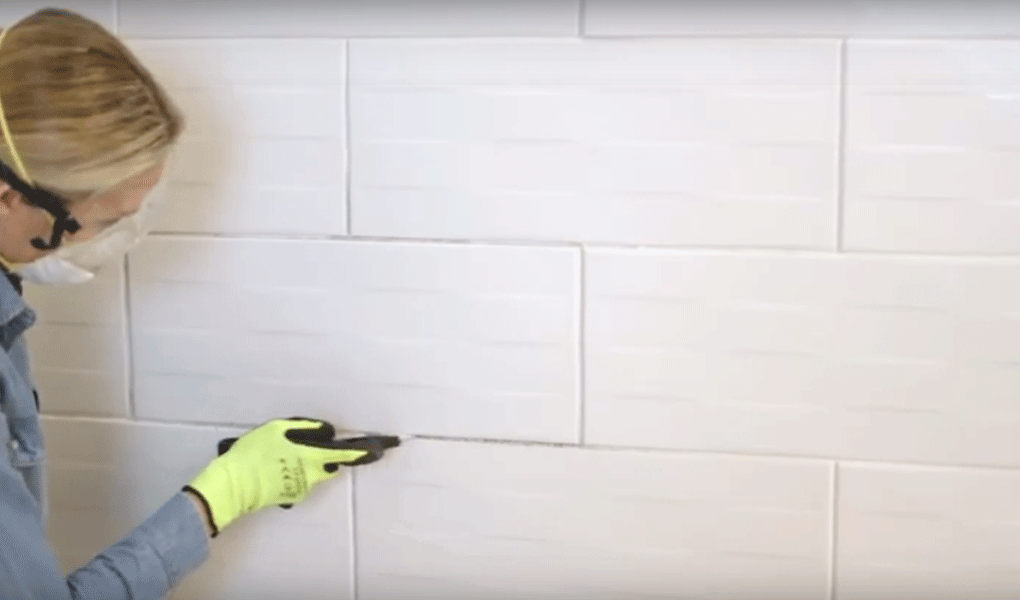
Before applying new grout, you’ll need to remove the existing grout. You can do this with a grout rake or an oscillating multi-tool. Always wear eye protection, gloves and an appropriate dust mask when removing and applying grout, opening a window if possible.
Removing grout with a grout rake
Hold your grout rake firmly and guide it along the grout lines, applying steady pressure as you go. You’ll need to press hard enough to cut into the grout and begin removing it. As the teeth of a grout rake only face one direction, you only need to move the tool one way, not forward and backwards. Work in short sections across the tiles until you’ve removed all the grout.
Removing grout with a multi-tool
If you’re working across a large area, you might want to use an oscillating multi-tool instead of a grout rake. This will be much faster than a grout rake, but it will also be easier to damage the surrounding tiles.
Hold your multi-tool firmly and slowly guide it along the grout lines. Don’t push too hard on the grout; use gentle, steady pressure, letting the tool do the work. Be careful not to damage the surrounding tiles.
2. Clean the tiles
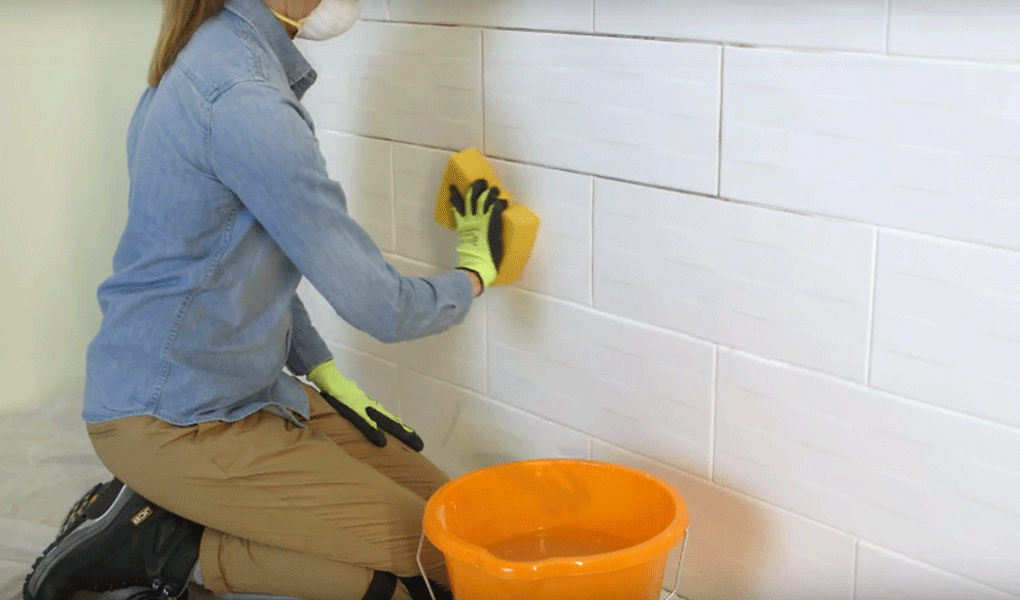
Once you’ve removed all the old grout, wipe over the tiles with a damp sponge to remove any dust. Leave the surface to dry thoroughly before re-grouting.
3. Apply the new grout
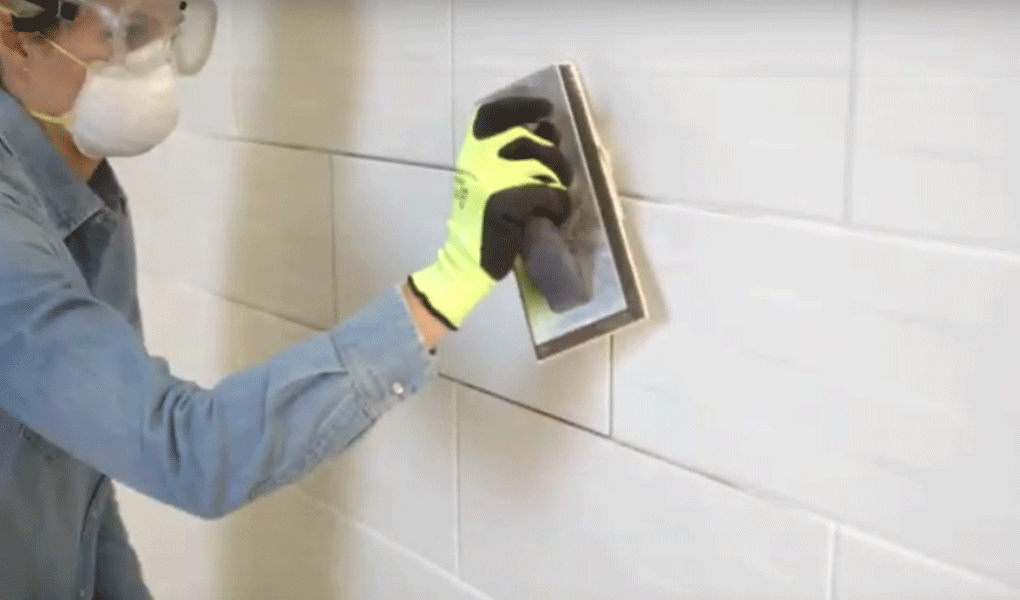
Once you’ve removed the grout and cleaned the tiles, you can apply the new grout to the joints using a grout float. Using a diagonal motion, spread the grout into all the gaps between the tiles. Use the edge of the float to scrape up any excess grout and reapply it to another area as you go.
Work in sections around 1m², which should give you enough time to smooth and clean the grout before it dries. Keep checking the joints as you go to ensure they are packed full and even.
You can clean off excess grout with a damp cloth as you go, which will minimise the amount you need to scrub off later.
Tiled areas that meet another surface, such as a worktop, floor, window or door frame, should be left un-grouted and sealed with silicone later.
4. Wipe the tiles with a grout sponge
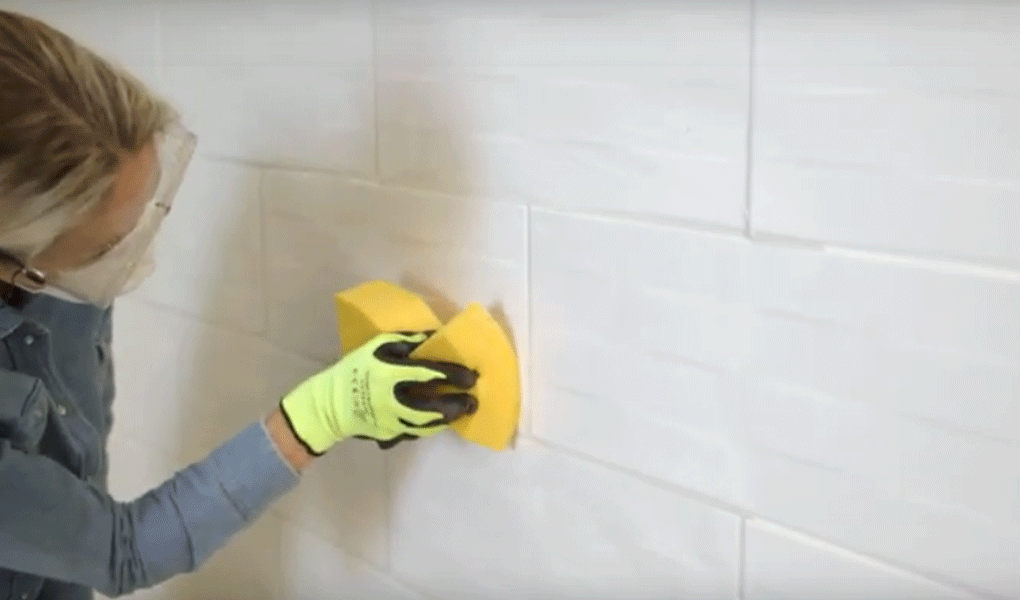
Once you’ve filled all the joints with grout, leave it to set for a few minutes. Then, use the same diagonal motion that you used for grouting to wipe the tiles with a grout sponge. Keep a bucket of water handy to rinse out the sponge as you go.
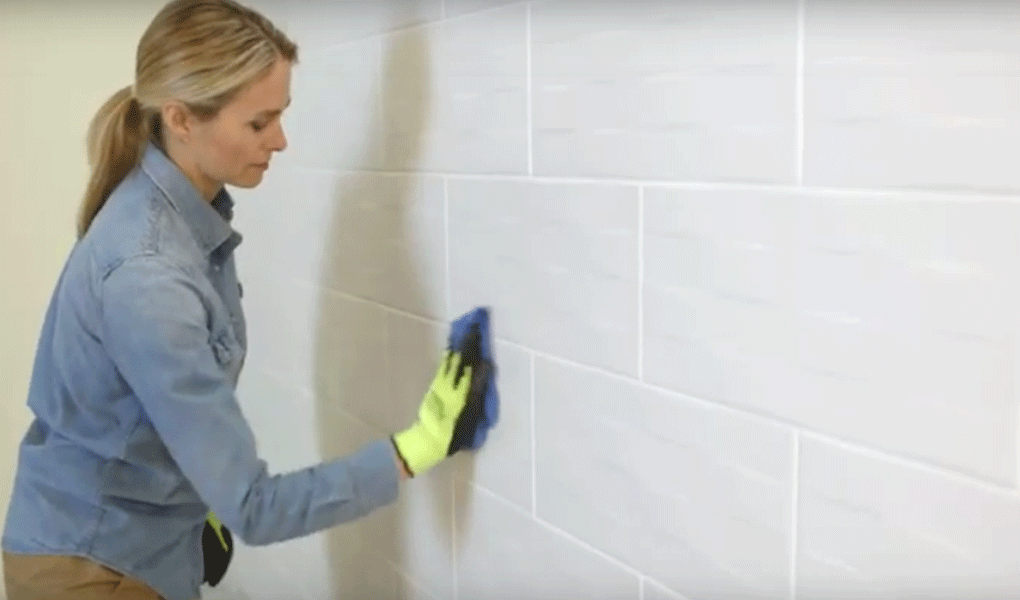
As you wipe the tiles, take extra care not to drag any of the grout out of the joints. If you do remove some grout, simply reapply it with a grout float.
5. Finish the joints with a grout finisher
Once you’ve cleaned the excess grout off the tiles, let the grout harden for 20-30 minutes. You can then use a grout finisher to give the joints a smooth, rounded finish.
Apply the rounded end of the grout finisher to the joints and pull it downwards with even, continuous pressure. Work across the tiled surface until you’re left with smooth, neat joints.
FAQs
Can you put new grout over the top of old grout?
If you apply new grout on top of old grout, it won’t bond properly, and the result will often be a weak finish that will crack or crumble over time. To achieve a good finish that will last, it’s always best to remove the existing grout first.
Can I regrout my tiles myself?
Regrouting tiles is a straightforward job that most confident DIYers can tackle themselves. Take your time when removing the old grout to avoid chipping or damaging your tiles.
What is the easiest way to remove grout?
Using an oscillating multi-tool is the quickest and easiest way to remove grout. However, unless you have experience with this tool, a manual grout rake may be easier to use without damaging the surrounding tiles.
Can I remove grout without damaging my tiles?
If you work meticulously and take your time, you can remove grout without damaging the surrounding tiles. Remember to keep your removal tool at a shallow angle and avoid pushing too hard.